For ilaac, making merch starts with a very simple rule: create the things you genuinely want to see exist.
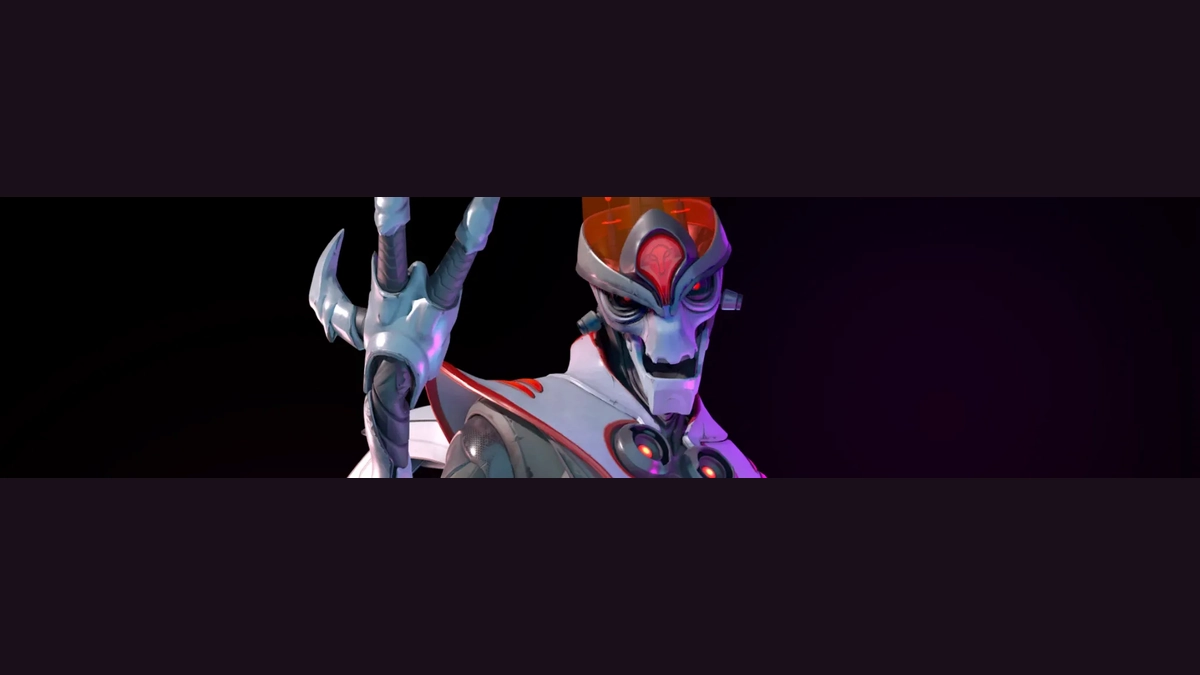
A longtime fan of giant robots, especially Transformers Prime and Ratchet & Clank , ilaac has built a creative practice around drawing favorite characters and turning that enthusiasm into physical products. Body pillows, flip-phone keychains, and a 3D mouse pad may look like very different products, but they all come from the same place—a strong personal interest in robot characters and fandom.
That makes ilaac an interesting example for artists who are wondering how specific their niche can be.
Instead of trying to create something for everyone, ilaac leans fully into the subjects they enjoy and chooses merchandise that feels equally personal.
Meet ilaac: Creating From a Love of Robots
ilaac describes the motivation behind the artwork without overcomplicating it:
“I am a Transformers Prime fan and giant robots are awesome!”
When ilaac becomes interested in something, the natural response is to make art around it.
That enthusiasm is easy to see across the storefront. Robot characters are not simply one category among many—they are the creative focus of the shop.
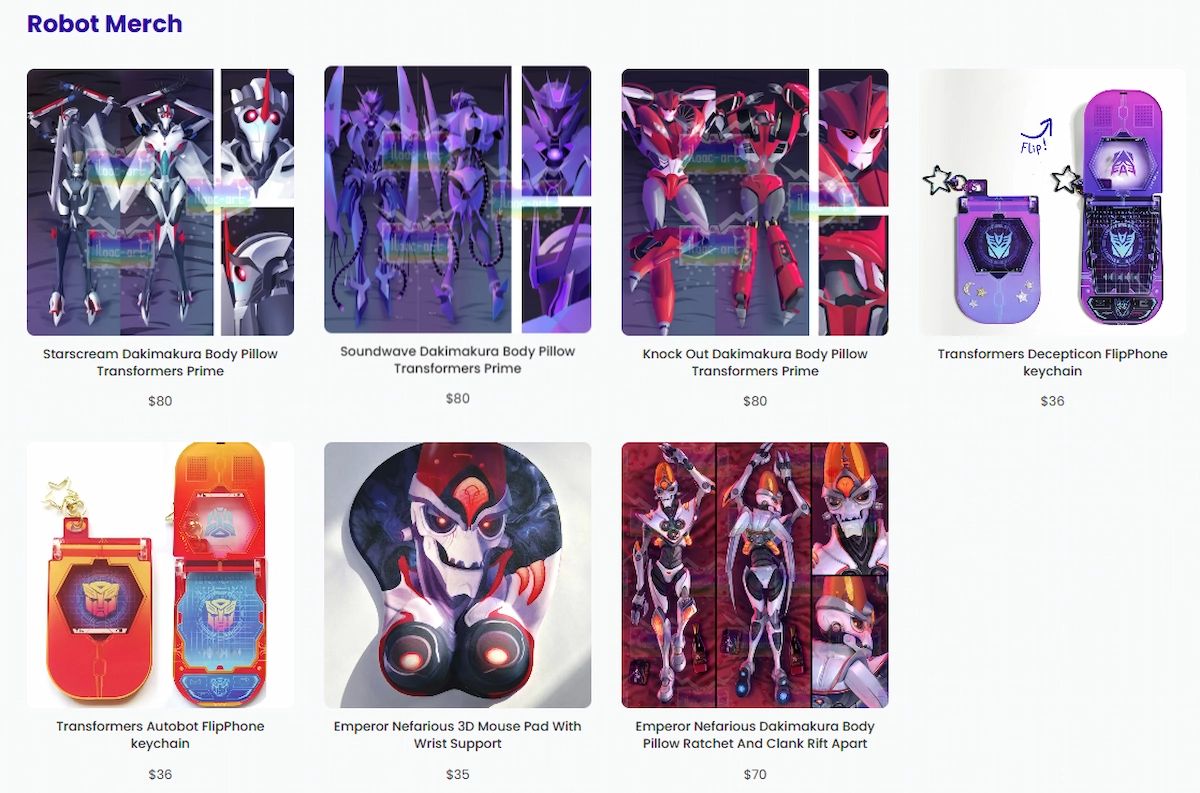
The current Robot Merch collection includes character-focused body pillows alongside smaller interactive accessories and desk products. The formats vary considerably, but the underlying interest stays consistent.
This kind of focus can be valuable for independent artists.
A niche does not necessarily limit a creator. Sometimes it does the opposite: it gives people a much clearer reason to remember who you are and what kind of work they can expect from you.
For ilaac, that niche is unmistakably robots.
Make What You Actually Want to Make
One of the most useful things about ilaac’s approach is how little it depends on trying to predict what everyone else wants.
When choosing which characters deserve to become products, ilaac does not use a complicated popularity test.
The answer is much more personal:
“I usually just draw my favorites.”
That attitude runs throughout the creative process.
ilaac rarely creates based on requests or changes direction simply because an audience asks for something different. Instead, the artist prefers to work when inspiration is there and focus on subjects that feel genuinely interesting.
There is an important lesson here for artists building their own merch line.
Audience feedback can be useful, but it does not have to control every creative decision.
Especially for creator-led stores, personal enthusiasm is part of the product . If an artist is constantly making designs they have little interest in, maintaining that creative energy can become difficult very quickly.
ilaac’s approach sits at the other end of the spectrum: start with genuine interest, then find the right way to turn it into something physical.
Design for the Product From the Beginning
Many artists start with a finished illustration and later ask which products it might fit.
ilaac often works in the opposite direction.
For most products, the design is created specifically with the physical item in mind.
That changes the process.
Instead of taking one finished illustration and placing it across several unrelated mockups, the product format becomes part of the original creative decision.
Start With Something You Would Want Yourself
When choosing a format, ilaac often begins with a surprisingly practical question:
Would I want to own this?
That mindset has helped shape a catalog that includes much more than standard character keychains.
Large dakimakura body pillows give character artwork plenty of visual space.
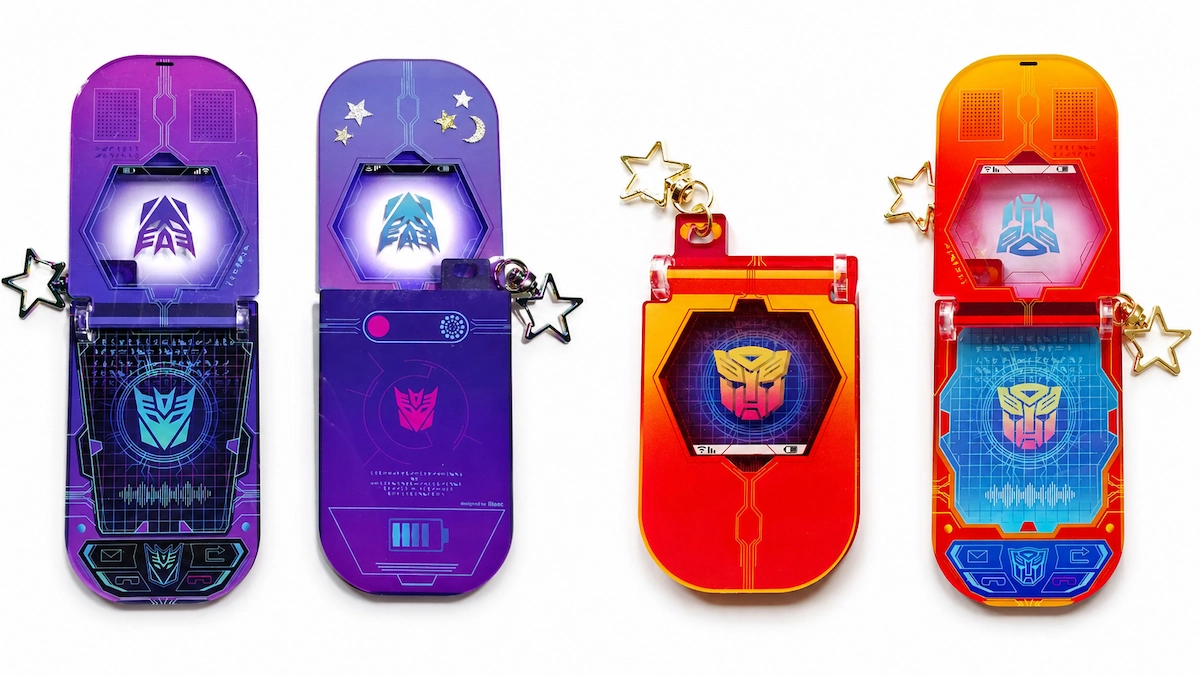
The Decepticon and Autobot FlipPhone keychains turn recognizable faction-inspired imagery into an interactive collectible.
A 3D mouse pad brings character artwork into an everyday desk setup.
Each product gives the artwork a different role.
This is one reason designing with the product already in mind can be so effective: the artwork does not have to fight against the shape or purpose of the item later.
Look Beyond the Most Obvious Merch
ilaac has particularly clear advice for other artists:
Do not make only keychains .
Keychains are popular for good reason. They are compact, collectible, and work well with character artwork. But that popularity also means artists are competing with an enormous number of other keychain designs.
ilaac sees product choice as another opportunity to stand out.
The goal is not to avoid popular merchandise entirely. The shop does include keychains.
The difference is that ilaac looks for formats, concepts, or product experiences that are less expected.
The FlipPhone keychains are a good example.
Rather than simply using another character portrait or conventional charm shape, the product itself becomes part of the idea.
That gives customers something more specific to remember.
For independent artists, product differentiation can be just as important as visual differentiation .
Sometimes your artwork makes you stand out.
Sometimes the product format does.
The strongest merch often lets both work together.
One Niche Can Still Support Very Different Products
Building around one fandom or subject does not mean every product needs to serve the same purpose.
ilaac’s shop shows how a narrow creative focus can still produce a varied catalog.
Body pillows are large-format statement pieces designed around prominent character artwork.
FlipPhone keychains are smaller, more playful collectibles.
The 3D mouse pad turns artwork into something practical that becomes part of a desk setup.
These products occupy very different physical spaces, but they still make sense together because they come from the same creator and appeal to overlapping interests.
That creates a useful distinction:
A focused niche does not require a narrow product range.
Artists can experiment with different formats while maintaining a clear creative identity.
The connection comes from the artwork and audience—not from forcing every item to look or function the same way.
The Product That Surprised ilaac Most
Not every product performs the way an artist expects.
For ilaac, one of the biggest surprises came from the Decepticon and Autobot FlipPhones.
They were unusual compared with much of the artist’s earlier merchandise because they did not feature characters directly.
That made the response difficult to predict.
But fans responded well.
Even more unexpectedly, ilaac noticed that some parents were buying the FlipPhones for their children, while many previous customers had primarily been adult fans.
It is a useful example of what can happen when an artist experiments beyond the format or imagery they normally rely on.
A product can still feel connected to a fandom without placing a character front and center.
Symbols, recognizable objects, visual references, and interactive ideas can all carry meaning for fans.
And occasionally, those choices can introduce the work to an audience the artist did not originally expect.
Know Your Audience Without Creating by Committee
ilaac’s approach to community feedback is somewhat different from the usual advice given to creators.
Rather than constantly polling followers or building every release around requests, ilaac rarely lets feedback dictate what gets drawn next.
The reason is straightforward: making artwork around subjects that are not personally interesting is difficult.
That does not mean the audience is irrelevant.
The store clearly serves people who share ilaac’s enthusiasm for particular characters, robot designs, and fandoms. But the connection works because creator interest and audience interest overlap naturally .
That distinction matters.
Understanding an audience does not always mean asking them what to make.
Sometimes it means knowing who is likely to connect with what you already love creating.
For artists working in a strong niche, that can lead to a healthier creative relationship with the audience: people follow because they like the artist’s point of view, rather than expecting the artist to follow every request.
Build a Store Around a Real Creator Identity
ilaac’s Artiststore is connected to a wider creative presence rather than existing as an isolated product page.
The artist shares fan art and other hobby projects through social platforms and links the storefront back to that broader presence.
That connection can be particularly important for fandom artists.
Someone may first discover an illustration on social media, follow the artist because they enjoy the work, and only later become interested in owning a physical version of that creative world.
The store then becomes the place where that interest turns into a purchase.
This creates a natural loop:
art → community → merch → back to the artist
Artists do not necessarily need to be active everywhere.
What matters more is making it easy for people who enjoy the work to move between the places where they follow the artist and the place where they can buy the artist’s products.
What Other Artists Can Learn From ilaac
ilaac’s approach is not about following a universal formula.
In fact, that may be the most useful part of it.
The artist makes decisions according to personal interests, designs many pieces specifically for the products they will become, and deliberately looks beyond the most crowded merchandise categories.
A few lessons stand out:
-
Build around something you genuinely care about. A focused creative interest can become a strength rather than a limitation.
-
Think about the physical product early. Designing for a format can produce stronger results than forcing finished artwork onto it later.
-
Create products you would want yourself. Your own taste can be a useful starting point.
-
Do not rely entirely on the obvious merch choices. Familiar products work, but unusual formats can give people another reason to notice you.
-
You do not have to create by committee. Audience feedback matters differently for every artist.
-
Let your niche expand across formats. A focused subject can still support collectibles, display pieces, practical items, and larger statement merch.
Most importantly, ilaac demonstrates that a creator store does not have to feel calculated to feel purposeful.
Sometimes a clear store identity emerges simply because the artist keeps making the things they genuinely enjoy.
ilaac’s Advice for Artists Building Around a Niche
Asked what advice they would give artists hoping to build a merch store around a specific fandom or niche, ilaac comes back to product differentiation.
The recommendation is simple: do not only make what everyone else is already making.
For example, keychains have become one of the most familiar forms of artist merch. That also makes the category highly competitive.
An artist entering a niche therefore has two things to think about:
What makes the artwork different?
And what makes the product itself worth noticing?
You do not need to invent an entirely new type of merchandise.
But looking beyond the default choices—or finding a more original way to use a familiar product—can give a small store much more personality.
Final Thoughts
ilaac’s Artiststore shows what can happen when a creator commits to a niche rather than trying to broaden it for the sake of broader appeal.
The shop grows from a genuine enthusiasm for robot characters and fandom, but it does not stop at simply printing fan art onto standard merchandise.
Different products are considered as part of the creative idea itself.
Some designs become large character-focused pieces.
Others become interactive collectibles or everyday desk products.
And sometimes the product that feels least predictable ends up producing the most interesting response.
For artists, the takeaway is not that everyone needs to make unusual robot merch.
It is much simpler:
Pay attention to what you actually want to create—and then find a product that makes that idea more interesting in physical form.
A clear niche can help people find you.
A distinctive product can help them remember you.
And genuine enthusiasm gives them a reason to keep following what you make next.
FAQ
Do artists need a broad niche to build a merch store?
No. A specific niche can make a creator easier to recognize, especially when the artwork consistently appeals to a clear community.
Should artwork be created before choosing the product?
Either approach can work. ilaac often chooses the product first and creates artwork specifically for that format.
Are keychains too competitive for new artists?
They can still work well, but the category is crowded. A distinctive design, format, or product mix can help a store stand out.
How can artists choose which products to make?
Start with your artwork, your audience, and products you would genuinely want to own. Then consider whether the format adds something useful to the design.
Does an artist have to follow audience requests?
No. Feedback can be useful, but creators can decide how much it influences their work. A strong personal creative direction can also build a loyal audience.
Can one fandom support several types of merch?
Yes. The same niche can work across collectibles, display pieces, apparel, desk products, and other formats when each product suits the artwork.
Ready to turn the art you love making into merch?
With Artiststore , you can create products from your designs, build your own storefront, and give fans a place to discover and shop your work.