How to Write an Artist Bio: Tips & Examples
October 23,2026 5:19 PM(UTC+8) 54 views
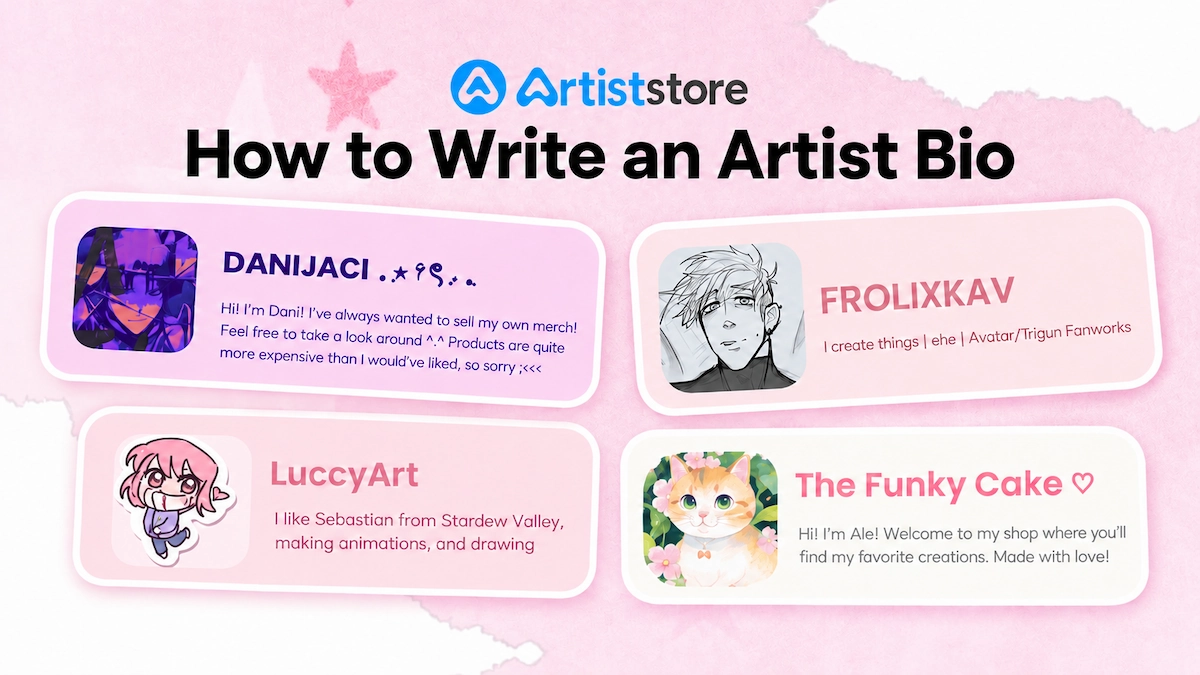
Your artwork gets someone to stop scrolling. Your artist bio is what keeps them around long enough to wonder who made it. Whether you're an illustrator, a digital artist, an animator, a painter, or someone who sells merch, a good bio gives people a reason to follow you, buy from you, or come back later.
You don't need years of experience, a shelf of awards, or an art degree to write one. A bio has one job: tell people who you are and what you make, quickly enough that they stay to look.
The hard part is deciding what to leave out. Say too little and you sound like every other profile. Say too much, or try too hard to impress, and readers drift off halfway through. This guide covers what to include, a simple process for drafting, the mistakes that trip up most beginners, and four real bios from artist shops that you can borrow ideas from.
What Is an Artist Bio?
An artist bio is a short introduction to you and your creative work. It lives on your portfolio, your online shop, your social profiles, and any exhibition materials, and it answers one question for anyone who lands there: who's behind this?
It isn't a résumé, and it isn't your life story. An illustrator who draws anime-inspired characters might mention what inspires the work, which characters or themes keep showing up, and how they got started. That's plenty. If you sell prints or merch online, your bio also does quiet sales work, because people are more likely to buy from someone they feel they know.
What Should You Include in an Artist Bio?
You don't have to cover everything. Pick the details that help a stranger understand your work and remember you.
Your Name and Type of Art
Start with the name people know you by, then say what you make. Are you a digital illustrator, a character designer, a painter, a photographer, a mixed-media artist? Be specific enough that someone who has never seen your work can picture it.
For example: “Alex Morgan is a digital illustrator who creates colorful fantasy characters and anime-inspired artwork.” One sentence, and the reader knows exactly what they're looking at.
Going by a username is fine. Plenty of artists build their whole identity around a handle instead of a legal name. What matters is using the same name across your shop, portfolio, and social accounts so people can find you again.
Your Creative Interests and Style
Say what you enjoy making and what makes your work recognizable. Maybe it's character illustration, detailed landscapes, fan art, abstract painting, or comics with a dry sense of humor. Mention recurring themes, favorite subjects, or techniques people would spot across your pieces.
Then connect your interests to what you actually produce. If you love fantasy games, perhaps you draw original characters from invented worlds, odd creatures, or moody forest settings. Describe what you enjoy making, not what you think sounds distinctive.
Your Background and Creative Journey
Readers like knowing how you got here. You can mention when you started drawing, who or what inspired you, or how your interests shifted over time. It doesn't need drama. Something like “I started drawing as a hobby, got hooked on digital illustration, and now I make original characters and experiment with color palettes” does the job.
If you studied art, took workshops, collaborated with other creators, or taught yourself from tutorials, say so briefly. Choose the details that explain how you became the artist you are today and skip the rest.
Your Current Work or Future Direction
Working on a new collection? Taking commissions? Building a merch shop? Put it in. It tells readers what you're doing right now and what they can ask you for.
Keep it honest, though. If you're not working on a big project at the moment, don't invent one.
How to Write an Artist Bio Step by Step
Once you know what belongs in a bio, putting it together takes four short steps.
Decide Who Will Read It
Think about where the bio will live. A shop bio can lean into your personality and the products you make. An exhibition bio usually needs your background, your artistic practice, and past shows. A social media bio gives you a line or two, so everything gets trimmed to the essentials.
Most artists end up with a few versions: a one-liner, a short paragraph, and a longer write-up. Keep the core details the same in all of them so people see one consistent you.
Length matters too. A shop bio often works best at two to four sentences, while an exhibition bio can stretch to a short paragraph or two.
Write Down Your Key Details
Don't aim for a perfect bio on the first try. Jot down quick answers to these questions:
● What name do you create under?
● What type of art do you make?
● Which subjects, themes, or styles interest you most?
● What got you started?
● What experience or achievements are worth mentioning?
● Where can people see or buy your work?
You won't use every answer. The list is just raw material to pick from.
Choose Your Point of View
A bio can be written in third person or first person, and the right choice depends on where it appears. Third person suits portfolios, exhibitions, and press introductions: “Jamie Lee is an illustrator who creates colorful character designs inspired by fantasy games.”
First person works better on personal websites, online shops, and social media, because it sounds like you're talking to the reader: “I'm Jamie, an illustrator who loves creating colorful characters inspired by fantasy games.”
Still stuck? Use the voice you'd use in a message to a customer. For most shop owners that's first person, since third person can feel odd when you're the one running the store.
Turn Your Notes Into a Short Paragraph
Arrange your best details in a sensible order, usually who you are, what you make, then a little background or what's coming next. Read it out loud. If it sounds like someone you'd never actually be, rewrite it.
Swap vague claims for specifics. “I create unique and amazing art” tells the reader nothing, while “I draw moody fantasy portraits in ink and watercolor” tells them what to expect. And watch for the same idea turning up in two different sentences.
Artist Bio Mistakes to Avoid
Most weak bios fail in the same few ways. The biggest one is stacking adjectives instead of facts. Words like “passionate,” “creative,” and “unique” could describe anyone, so they don't help a reader remember you.
Here's a before and after. The before: “I'm a passionate and creative artist who loves making unique art for everyone.” The after: “I'm Maya, an illustrator drawing cozy fantasy characters in ink and soft watercolor. I sell stickers and prints, and I'm working on a zine about a witch who runs a bakery.” Same artist, but only one of those bios tells you anything.
Other common problems are easy to fix. Writing in stiff third person on a casual shop page makes you sound like a press release. Cramming in every course, award, and exhibition buries the details that matter. Leaving outdated information in place, like a project you finished two years ago, makes a profile feel abandoned. And typos in a bio are unusually noticeable, since it's the one piece of text that's entirely about you.
One more check: read your bio next to your profile picture and product photos. If the tone of the words doesn't match the art, readers notice the gap.
Artist Bio Examples and What You Can Learn From Them
Advice only goes so far, so it helps to see how working artists handle this. Many write their bios on shop platforms like Artiststore , where each artist gets a profile page that sits right above their products. Here are four bios from artists selling there, and what you can borrow from each.
Example 1: DaniJaci
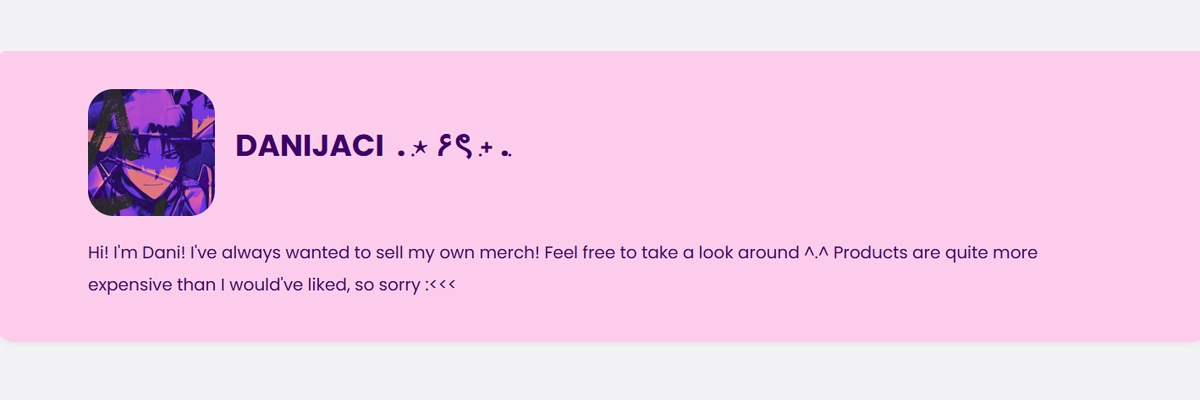
Dani opens with a greeting, says they've always wanted to sell their own merch, invites visitors to look around, and even apologizes that the products cost more than they'd like. It's chatty and a little vulnerable, and that's exactly why it works.
Your bio can sound like you. If your brand is playful and informal, you don't have to write like a corporate About page.
Example 2: FROLIXKAV
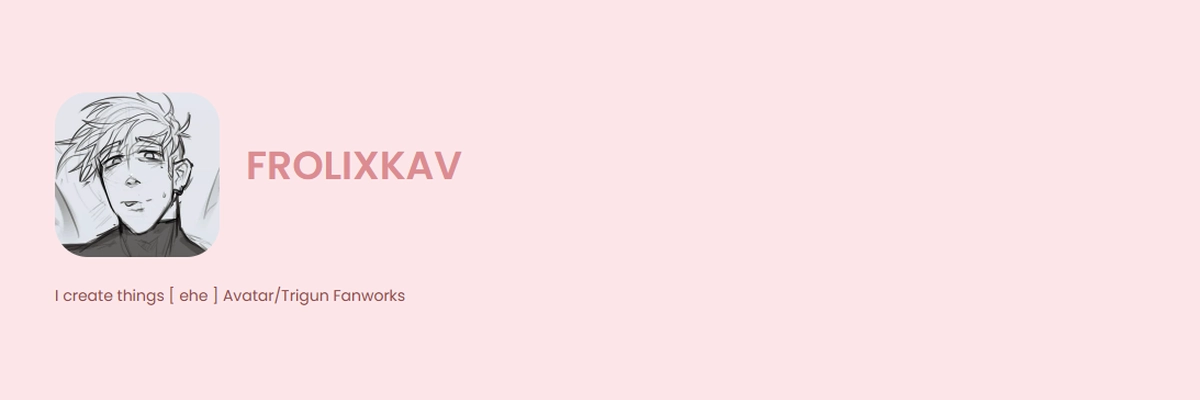
FROLIXKAV keeps it to a single line: the artist creates things and makes Avatar and Trigun fanworks. Two named fandoms do all the heavy lifting. Anyone who loves either series knows right away they've found someone on their wavelength.
If your work centers on particular games, anime, or genres, name them. That's how fans of those things find you.
Example 3: LuccyArt
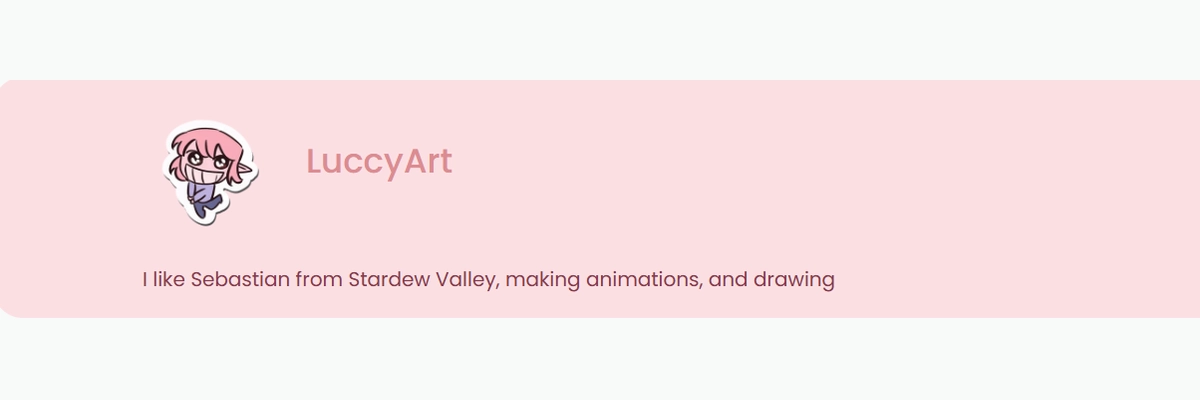
LuccyArt names one specific interest, Sebastian from Stardew Valley, plus two skills: animating and drawing. Fans of the game spot the reference immediately, and anyone who likes animation learns there's more here than still images.
List the skills you practice. If you draw characters, animate short clips, and design stickers, say so, so readers know what to expect from your shop.
Example 4: The Funky Cake
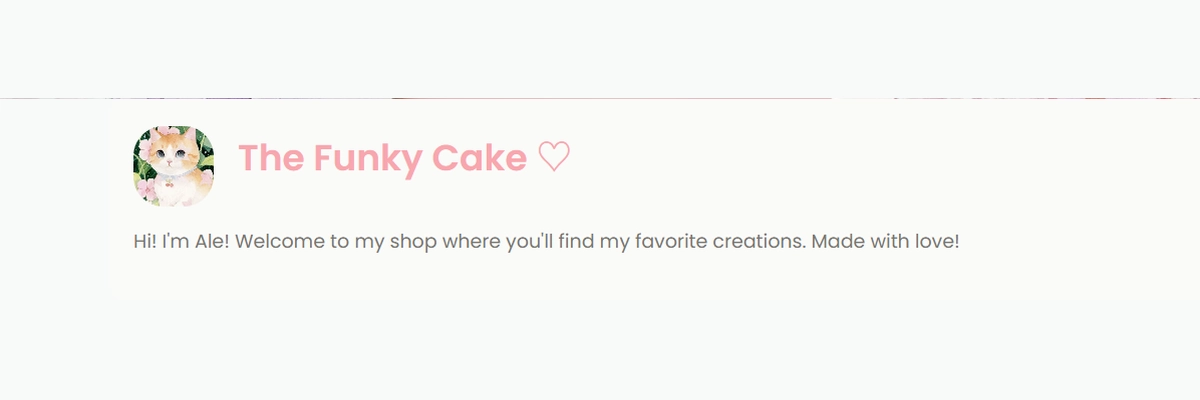
The Funky Cake introduces the artist as Ale, welcomes visitors to the shop, and describes the work as favorite creations made with love. It's short, warm, and believable.
You don't have to explain your whole creative process or list credentials. Being friendly and sounding like yourself carries a surprising amount of weight.
Start Simple, Then Keep Revising
Your first bio won't be your last. Write something honest this week, put it on your shop and socials, and update it when your style shifts, you launch something new, or you notice you've outgrown the words.
You don't need a long list of achievements to tell a good story. Start with what's true about you as an artist, and add the rest as it happens.